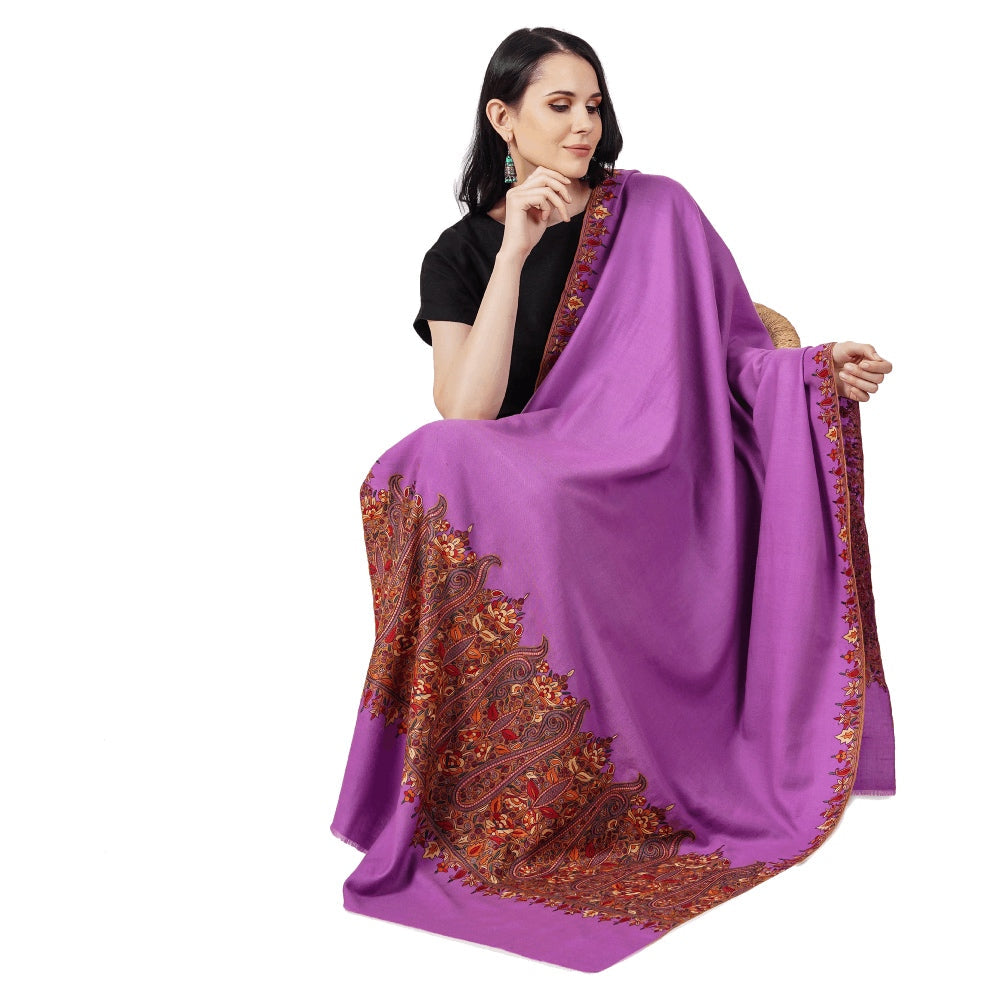

How to Fix a Hole in a Cashmere Scarf: The Art of Preservation
By PASHWRAP Heritage Editorial
Honoring the weave: A masterclass in mending and preserving luxury fibers.
Table of Contents
- 1. The Heartbreak of the Hole: A Shift in Perspective
- 2. Diagnosing the Damage: Snags vs. Moths vs. Wear
- 3. The Golden Rule: Never Cut a Pulled Thread
- 4. Professional Invisible Mending: The Gold Standard
- 5. The Artisan’s At-Home Fix: How to Darn a Cashmere Scarf
- 6. Preventing the Unraveling: Protecting Your Legacy
- 7. The PASHWRAP Philosophy: Woven to be Preserved
- 8. FAQ: Cashmere Repair
The Heritage Insight
A hole in a cashmere scarf is not the end of its life; it is an invitation to practice the art of preservation. In the heritage of Kashmir, mending is a profound testament to the value of the weave.
The Heartbreak of the Hole: A Shift in Perspective
There is a singular, sinking feeling that comes with discovering a hole in a beloved cashmere scarf. Whether it is a tiny moth bite or a small tear from a wayward pin, the immediate instinct is often one of loss. But at PASHWRAP, we invite you to shift your perspective.
In a culture obsessed with disposability, the decision to mend is a radical act of luxury. It is a declaration that the artistry woven into your scarf is worth more than the convenience of replacement. Just as the Japanese practice of Kintsugi repairs broken pottery with gold—honoring the history of the object rather than disguising it—mending a luxury cashmere scarf elevates it from a mere accessory to a cherished artifact.
Understanding how to fix a hole in a cashmere scarf is not just a practical skill; it is a philosophy of reverence. It is the continuation of a story that began on a handloom in Kashmir, and one that can continue for generations if treated with the right devotion.
Diagnosing the Damage: Snags vs. Moths vs. Wear
Before you attempt any repair, you must understand the nature of the wound. The method for fixing a hole depends entirely on how it was created.
1. The Snag:
A snag occurs when a single yarn is caught and pulled out of the weave, leaving a loose loop on one side and a tight, gathered pucker on the other. This is incredibly common and, thankfully, the easiest to remedy if you have patience.
2. The Moth Hole:
Clothes moths are drawn to the natural keratin in cashmere. A moth hole is characterized by a clean, round break in the fabric where the fibers have been entirely eaten away. Because the yarn is missing, this requires reconstruction (darning or reweaving). Understanding sustainable cashmere is ethical also means understanding proper storage to protect the fiber from pests.
3. Friction Wear:
Over time, continuous rubbing against a rough coat or handbag can cause the fibers to thin and eventually break, resulting in a slit-like hole. These edges are often fuzzy and frayed, making the repair slightly more delicate.
Learning how to check cashmere quality at home is vital here; long-staple fibers like those used in PASHWRAP pieces are more resilient to friction, but even the finest cashmere can fall victim to a sharp edge or a hungry moth.
The Golden Rule: Never Cut a Pulled Thread
This cannot be stressed enough: Never, ever cut a pulled yarn on a cashmere scarf.
When you see a loop of yarn pulled out of the weave, it is tempting to snip it off to make the surface smooth again. Doing this, however, severs the structural integrity of the fabric. A cashmere weave is like a continuous grid; cutting one thread will cause the surrounding tension to loosen, and the hole will inevitably widen and unravel with wear.
How to Fix a Snag:
Instead of cutting, use a cashmere comb or a specialized snag needle (a latch hook).
- Insert the hook through the fabric from the back side, catching the loop of the pulled yarn.
- Gently pull the loop through to the reverse side of the scarf.
- Once the loop is on the back, lightly massage the surrounding fabric with your fingers. The tension will redistribute, and the yarn will settle back into its natural place within the weave.
To appreciate why this works, one must look at how pashmina shawls are made. The interlocking tension of the handloom is what gives the fabric its strength; respecting the tension is key to the repair.
Professional Invisible Mending: The Gold Standard
For a genuine hole—where the yarn has been completely destroyed—the highest expression of luxury care is professional invisible mending (also known as reweaving).
This is a highly specialized, almost vanishing craft where a skilled artisan takes a matching cashmere thread and manually re-weaves it into the broken area, following the exact pattern and grain of the original fabric. When done masterfully, the repair is entirely invisible to the naked eye.
Why is this the gold standard for Pashmina?
A pure pashmina shawl is a masterpiece of human labor. The difference between cashmere and pashmina lies in the exquisite fineness of the weave. To take scissors or a thick darning needle to Pashmina is to disrespect the weeks of labor the original artisan invested. When you know how much a real cashmere scarf should cost, and you understand why Kashmiri Pashmina is expensive, spending a fraction of that cost on professional reweaving is a logical and luxurious investment.
The Artisan’s At-Home Fix: How to Darn a Cashmere Scarf
If professional mending isn’t available, or if the hole is small and on an inconspicuous part of the scarf, you can attempt a traditional darning technique. Darning involves weaving new yarn across the hole to create a structural patch.
What You Will Need:
- ✦ A darning needle (blunt-tipped so it doesn't split the cashmere fibers)
- ✦ Matching cashmere yarn (if you don't have matching yarn, you can carefully unravel a tiny bit from the scarf's hidden seam or fringe)
- ✦ A darning mushroom or a smooth, round object to stretch the fabric over
The Step-by-Step Darning Process:
- Stabilize the Area: Place the darning mushroom under the hole, stretching the fabric gently so the hole is flat and the surrounding weave is taut. Do not stretch it so tight that the surrounding fabric distorts.
- The Vertical Warp: Thread your needle with the matching cashmere yarn. Starting about half an inch away from the edge of the hole, begin running vertical stitches across the gap. Sew into the solid fabric above the hole, across the gap, and into the solid fabric below. Keep these vertical lines parallel and close together, completely covering the opening. This creates the "warp" of your new mini-weave.
- The Horizontal Weft: Now, weave horizontally across your vertical threads. Pass your needle over and under the vertical yarns, alternating the pattern with each row (just like weaving a basket). Use the blunt needle to pack the rows snugly together, mimicking the density of the original cashmere weave.
- Tie Off and Blend: Once the hole is completely covered, tie off the yarn on the reverse side of the scarf with a tiny, flat knot. Dampen the mended area slightly with cool water and steam it lightly from a distance. This encourages the new cashmere yarn to "bloom" and blend with the surrounding fibers.
*Note: A darned hole will not be entirely invisible; it will have a subtle, textured patch. However, when done with care, it is a beautiful, artisanal repair that honors the garment's longevity.*
Preventing the Unraveling: Protecting Your Legacy
The best way to fix a hole is to prevent one from forming in the first place. Cashmere care is an ongoing dialogue between the fiber and its environment.
Mindful Wearing:
Be acutely aware of friction. The best cashmere scarf for winter is one that is styled thoughtfully. Avoid letting your scarf rub against rough wool coats, leather bag straps, or sharp jewelry.
Impeccable Storage:
Moth holes are entirely preventable. Never store a cashmere scarf that has been worn; body oils and skin cells are a moth's primary attractant. Always hand wash your scarf at the end of the season and store it in a breathable cotton bag with natural cedar or lavender. The science behind cashmere softness reveals a delicate fiber that requires a pristine, cool environment to rest safely.
The PASHWRAP Philosophy: Woven to be Preserved
At PASHWRAP, we do not weave for the season; we weave for the century.
When you hold a handmade pashmina, you are holding a lineage. The history of cashmere in Kashmir is filled with shawls that survived centuries—not because they were locked away in vaults, but because they were worn, cherished, and meticulously mended by the families who owned them. A small hole was not a death sentence; it was simply a chapter in the garment's long life.
Our Kashmiri Pashmina is crafted to be an heirloom. Is a cashmere scarf worth it? If it is treated as a disposable commodity, perhaps not. But if it is treated as a living artifact—if you take the time to pull a snag to the back, or sit by the fire and darn a tiny moth hole—then its value is immeasurable.
The next time you find a hole in your cashmere, do not throw it away. Take a breath, thread a needle, and become a part of the story. Preserve the artistry, honor the artisan, and wear your mended luxury with pride.
Invest in a Legacy Worth Preserving
Explore PASHWRAP’s artisan-crafted collections today.
Shop Handmade Pashmina Explore Kashmiri PashminaFrequently Asked Questions
Can a hole in a cashmere scarf be fixed? +
Yes, absolutely. A hole in a cashmere scarf can be fixed through professional invisible mending (reweaving) or at-home darning. Because cashmere is a woven fabric, new yarn can be integrated to reconstruct the missing area, restoring the scarf's structural integrity.
How do you fix a pulled thread in cashmere? +
Never cut a pulled thread in cashmere. Instead, use a latch hook or a blunt darning needle to gently pull the loop of yarn through to the back of the fabric. Once on the reverse side, massage the surrounding fabric to redistribute the tension, and the yarn will settle back into the weave naturally.
Is it worth repairing a cashmere scarf? +
Yes, it is highly worth repairing a high-quality cashmere scarf, especially a Pashmina. Professional invisible mending or careful darning preserves the value of the garment. Given the cost of authentic, artisanal cashmere, repair is a sustainable and economically wise choice that extends the life of your investment.
What is invisible mending for cashmere? +
Invisible mending (or reweaving) is a professional repair technique where a skilled artisan takes a matching cashmere thread and manually re-weaves it across the hole, following the exact pattern and tension of the original fabric. When executed correctly, the repair is completely invisible to the naked eye.
How do you darn a cashmere scarf? +
To darn a cashmere scarf, stretch the hole over a smooth, round object. Use a blunt darning needle and matching cashmere yarn to sew parallel vertical stitches across the gap (anchoring into the solid fabric). Then, weave horizontal stitches over and under the vertical threads, packing them tightly to mimic the original weave.