
Kashmir - The State Famous for Pashmina Craft
There are few places on earth that evoke the kind of romantic imagery that Kashmir does. Tucked away in the northern reaches of the Himalayas, Kashmir is a land of pristine lakes, snow-draped mountains, and blooming gardens. Yet, beyond its breathtaking landscapes lies the heartbeat of its cultural identity: The Pashmina craft.
For centuries, Kashmir has been the undisputed guardian of the world’s finest fiber—Cashmere. But to truly understand the luxury of a Kashmiri Pashmina, one must first understand the land, the people, and the ancient traditions that transform raw Himalayan fleece into the world’s most coveted luxury cashmere scarves.
The Heritage of Kashmir: Where the Earth Meets the Artisan
Kashmir’s tryst with textiles dates back to the 15th century when the benevolent ruler Zain-ul-Abidin introduced the art of weaving to the valley. However, the true origin of Pashmina lies high above the valley floor, on the desolate, freezing plateaus of the Changthang region.
Here, the indigenous Changpa goats brave temperatures dropping to -40°C. To survive, these remarkable animals grow a uniquely fine, crimped underfleece beneath their thick outer coats. This ultra-fine insulation is what the world knows as Cashmere, but what the locals revere as Pashm—the soft gold of Kashmir.
If you’ve ever wondered how rare is pure cashmere, consider this: it takes the annual yield of three to four Changpa goats to produce enough fiber to weave just one pure Pashmina shawl.
The Journey of a Pashmina: From Fleece to Fashion
The creation of handmade Pashmina is not merely a manufacturing process; it is a sacred ritual passed down through generations of Kashmiri artisans. At Pashwrap, we are deeply connected to the specific pockets of the valley where these masters reside. The journey from raw Pashm to a luxurious wrap is painstakingly slow, requiring immense patience and unmatched skill.
- Combing & Sorting: In the spring, the goats naturally shed their winter undercoat. The herders gently comb the fleece, which is then meticulously sorted by hand to separate the coarse hair from the ultra-fine Pashm.
- Spinning: The fine fibers are hand-spun on a traditional spinning wheel called a Yinder. This delicate task is almost exclusively mastered by Kashmiri women, whose practiced hands spin the fiber into a gossamer thread.
- Weaving: The yarn is then handed to male weavers who work on traditional handlooms. The rhythmic clatter of the loom is the music of old Srinagar. Learn more about this mesmerizing process in our guide on how Pashmina shawls are made.
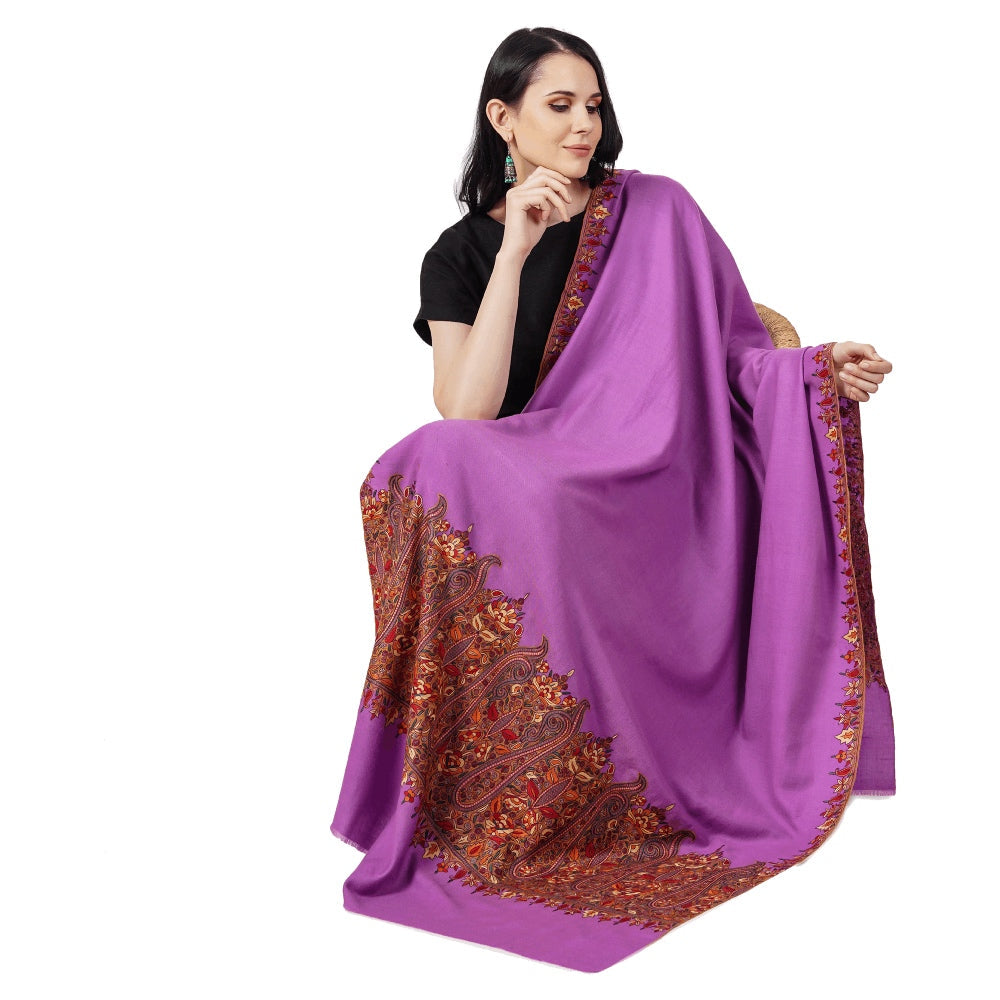
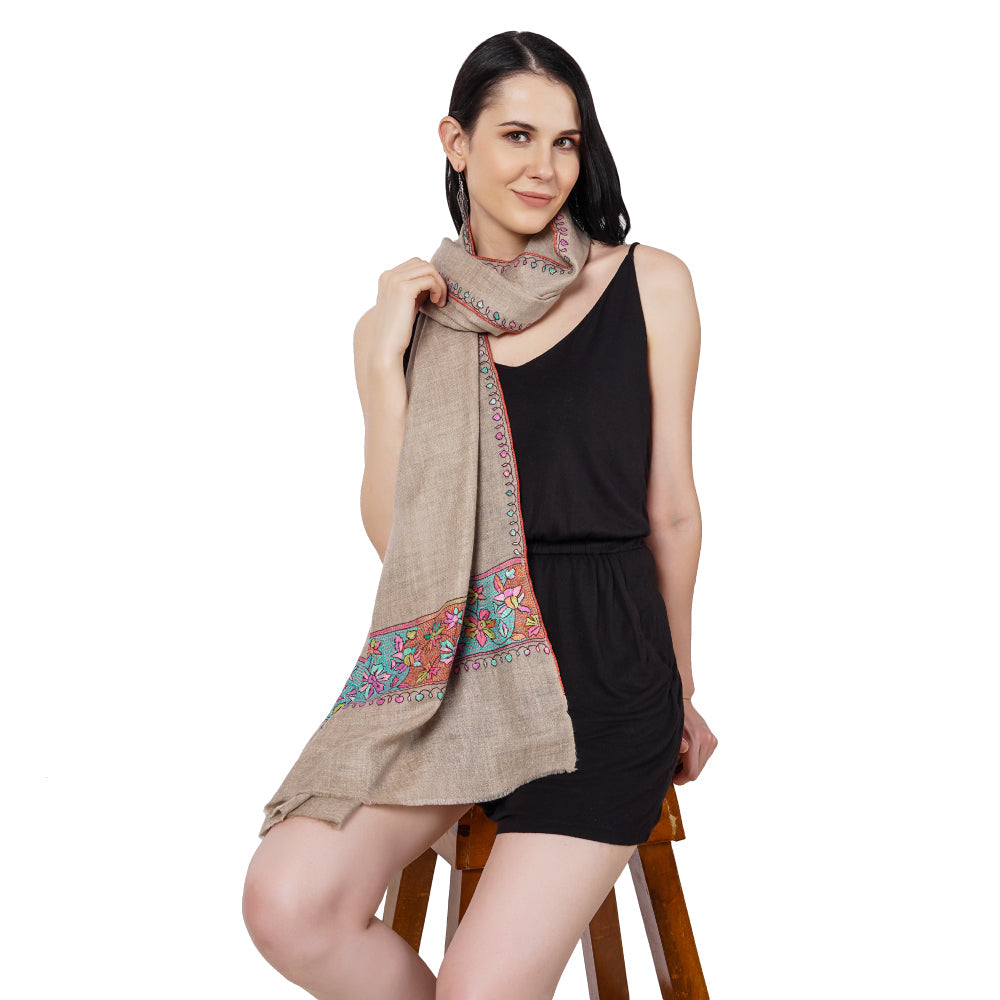
- Embroidery & Finishing: Often, the blank canvas of a woven Pashmina is handed to master embroiderers who spend months adorning it with intricate floral and paisley motifs.
Curious about what makes this fiber so incredibly soft? Discover the science behind cashmere softness.
The Geography of Craft: Meet the Artisans of Kashmir
One of the most beautiful aspects of the Kashmiri Pashmina craft is how it is geographically woven into the valley itself. Different villages and neighborhoods are custodians of different steps of the process. At Pashwrap, our pieces are brought to life by these very communities:
The Master Weavers of Srinagar
The delicate art of Pashmina weaving thrives in the historic lanes of Wantpora and Chattabal. Here, the rhythmic clicking of handlooms echoes as generations of weavers transform spun Pashm into gossamer fabrics.
The Kani Weavers
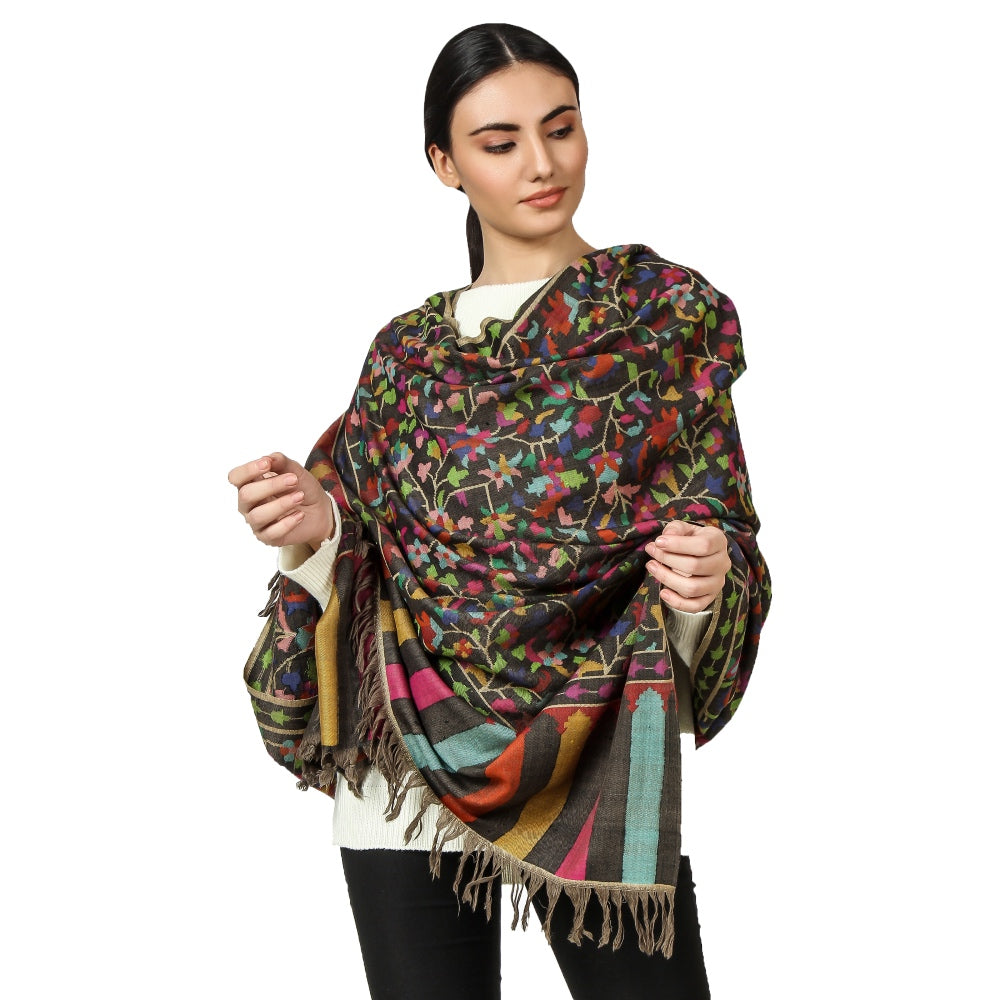
The highly complex and ancient Kani weave is kept alive by artisans in the Kanihama village of Pulwama and the Singhpora area of Pattan in the Baramulla district.
The Sozni Embroiderers
For the intricate hand-embroidery, we turn to the master Sozankars in the Ganderbal district and the Soibugh area of Budgam, specializing in the exquisite Sozni craft.
What is Sozni Craft?
Sozni is the finest form of Kashmiri needlework. Using ultra-fine needles, artisans create delicate, elaborate motifs that can take months to complete on a single shawl.
Pashmina vs. Cashmere: The Kashmiri Distinction
While the terms are often used interchangeably in the West, in Kashmir, there is a distinct hierarchy. All Pashmina is Cashmere, but not all Cashmere is Pashmina.
Cashmere refers to the downy undercoat of the Capra Hircus goat found globally. Pashmina, however, is the absolute pinnacle of Cashmere—specifically referring to the ultra-fine, hand-spun, and hand-woven fiber indigenous to the Kashmir region.
To understand the nuances in fiber thickness and weaving techniques, read our definitive guide on the difference between Cashmere and Pashmina.
The Mark of Authenticity: Understanding the GI Tag
Because the legacy of Kashmiri Pashmina is so precious, it is protected by a Geographical Indication (GI) tag—a certification that proves a shawl is authentically made in Kashmir using traditional methods.
Pashwrap is a GI-registered entity, and we are fiercely proud of this distinction. However, we believe in absolute transparency with our clients. The GI laboratory in Srinagar is currently overworked and has placed a strict monthly cap on the number of pieces any single brand can certify. Because our artisan community handcrafts far more authentic pieces than the lab can currently process, it is practically impossible for us to GI-tag every single item we sell.
However, if a client specifically requests a GI-tagged piece and is willing to wait the additional 15-20 days it takes for the lab to process and certify the garment, we are more than happy to arrange it. This transparency ensures you always know the provenance of your Pashwrap creation.
For more tips on verifying your purchase, learn how to check cashmere quality at home and find out how much a real cashmere scarf should cost.
Why is Kashmiri Pashmina So Expensive?
Authenticity demands a premium. The exorbitant price of a genuine Kashmiri Pashmina is a reflection of its rarity, the ethical sourcing of the fiber, and the hundreds of hours of manual labor invested by artisans in Wantpora, Kanihama, and Soibugh. Fast fashion machines simply cannot replicate the finesse of a hand-spun thread or the precision of Sozni embroidery.
When you invest in a Pashwrap creation, you aren't just buying an accessory; you are preserving a 600-year-old heritage and ensuring fair wages for the master weavers of Kashmir. Dive deeper into the economics of this craft with our breakdown of why Kashmiri Pashmina is expensive.
The Modern Renaissance: Sustainable & Ethical Cashmere
As the world leans towards conscious consumption, the traditional methods of Kashmir are being celebrated anew. Authentic Pashmina is inherently sustainable. The fiber is collected through gentle combing, not shearing, and the hand-weaving process leaves a near-zero carbon footprint.
However, the rise of mass-produced, machine-made imitations threatens both the environment and the artisan community. At Pashwrap, we are committed to protecting this heritage. Discover more about our commitment to the planet in our exploration of sustainable cashmere and ethical practices.
Owning a Piece of Kashmir: Caring for Your Investment
With the market flooded with fake pashmina and blended fabrics, knowing how to authenticate and care for your luxury purchase is crucial. Real Pashmina feels incredibly warm and soft, not slippery or synthetically smooth. Hand-woven Pashmina will have a subtle, irregular texture, unlike the rigid perfection of power looms.
Once you own a piece of the Himalayas, care for it gently. Hand wash in lukewarm water and dry flat. Don't panic if you notice slight pilling—learn why good cashmere pills and how normal it is for natural, non-chemically-treated fibers.
Is such a delicate luxury worth the upkeep? Discover for yourself if a cashmere scarf is worth it.
Experience the Magic of Kashmir with Pashwrap
Kashmir is more than a destination; it is a feeling woven into every thread of a Pashmina shawl. It represents the warmth of the Himalayas, the dedication of the artisan, and the timeless elegance of sustainable luxury.
At Pashwrap, we bring the soul of Kashmir directly to your wardrobe. Whether you are braving a winter chill or looking for the perfect statement piece, our cashmere scarves and best cashmere scarves for winter are crafted to be heirlooms.
Don't just wear luxury. Wear a legacy.
Explore the Collection